Can luck really be controlled in a casino environment?
The Nature of Luck in Gambling
Luck is often considered a fundamental element of gambling, particularly in environments such as casinos where games of chance dominate the floor. The belief in luck creates an alluring atmosphere, prompting players to engage with various games, from slot machines to roulette tables, while searching for the best australian online casino experiences that enhance their thrill. However, luck, by its very definition, is a concept beyond direct control. It encompasses unpredictable outcomes that can fluctuate drastically from one moment to the next, influenced by countless variables that players cannot foresee or manage.
Despite the inherent randomness that accompanies games of chance, many gamblers attempt to establish a psychological framework around their experience. These individuals often believe that certain rituals or habits can sway luck in their favor, whether it’s wearing a “lucky” shirt or following a specific pattern of play. While these rituals can enhance the enjoyment of the experience, they ultimately do not alter the underlying mechanics of the games in question, which operate on predetermined odds and probabilities.
This interplay between belief and randomness is central to understanding the nature of luck in a casino. Casinos themselves capitalize on this connection, using flashy lights and engaging sounds to amplify feelings of excitement and anticipation. This sensory overload can lead players to believe that luck can be harnessed, fostering an environment where superstition thrives. However, no amount of charm or charisma can change the fact that outcomes in casino games are primarily governed by chance.
The Role of Skill in Gambling
While luck remains an integral part of casino games, certain games also incorporate elements of skill that can influence outcomes. For instance, poker is a prime example where player skill plays a significant role alongside luck. Knowledge of probability, understanding opponents’ behaviors, and strategic decision-making can significantly impact a player’s success in this game. Unlike pure games of luck, poker allows players to make informed choices that can lead to better-than-average results over time.
Conversely, games like slots rely entirely on chance, leaving no room for skill to play a role. Understanding the mechanics behind these games, including Return to Player (RTP) percentages and volatility, can provide insight into the odds a player faces. However, despite this knowledge, the outcome remains random, and no amount of strategy will ensure a win. Therefore, recognizing the distinction between skill-based and luck-based games is crucial in acknowledging the limits of what can be controlled during gambling experiences.
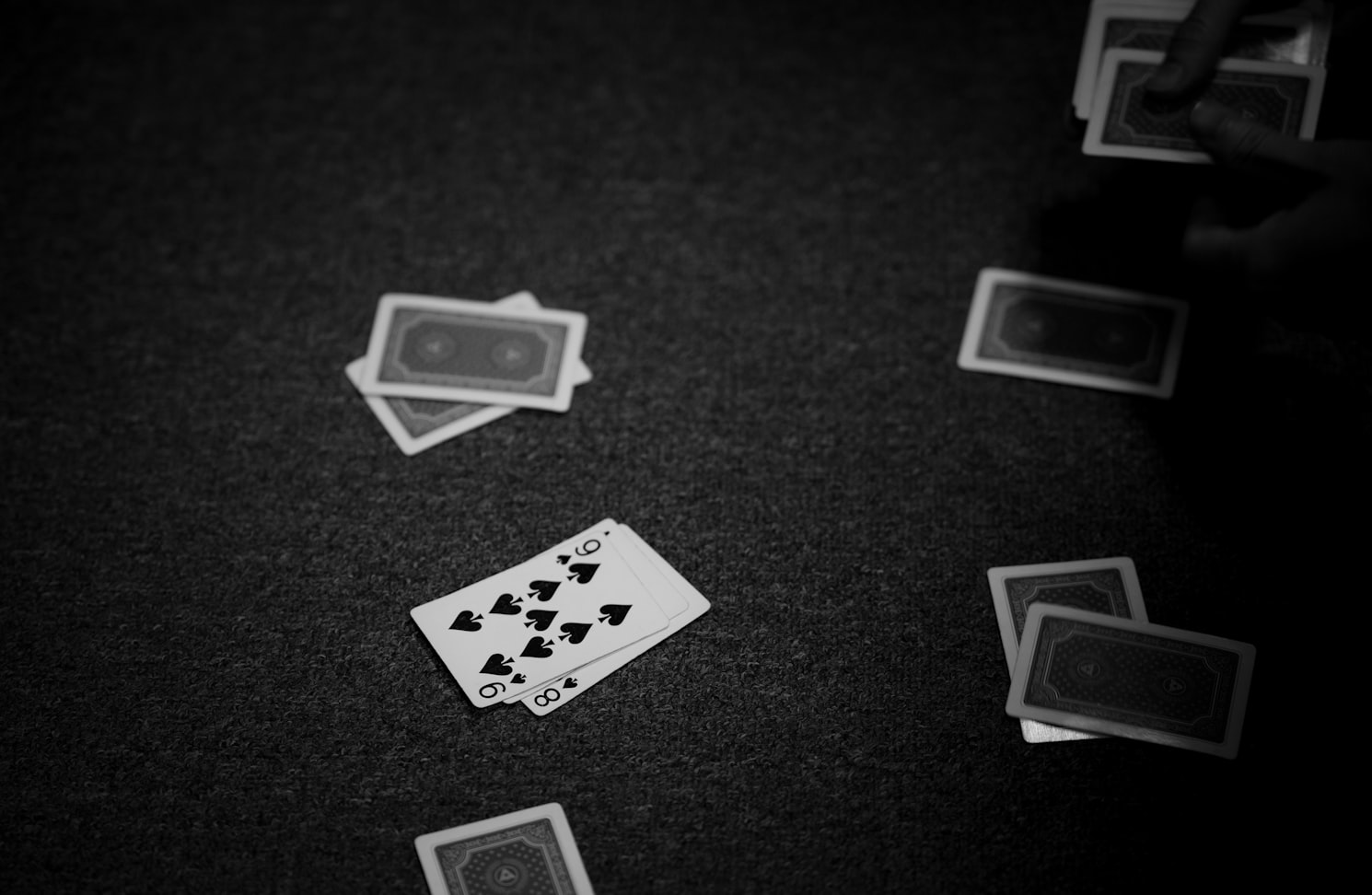
Moreover, the blending of luck and skill can sometimes lead to a false sense of control. A player may experience a winning streak in poker, mistakenly believing that their skill is solely responsible for their success. While skill certainly contributes, the role of luck cannot be overstated. The unpredictability of dealt cards or the luck of opponents can create a layered understanding of the game, where players must navigate luck’s unpredictable waters alongside their strategic prowess.
The Psychological Aspects of Luck
Psychology plays a pivotal role in how individuals interpret luck within the casino environment. Cognitive biases, such as the illusion of control, can lead players to believe they have more power over outcomes than they truly do. For instance, a player might insist that their choice to sit at a particular table or their method of placing bets influences the game’s results. This belief not only enhances the gambling experience but can also lead to repeated plays fueled by a dangerous cycle of optimism and regret.
Additionally, emotions play a significant part in gambling behavior. The highs of winning can create a rush that some seek to replicate, while the lows of losing can lead to a quest for redemption. This emotional rollercoaster is often mistaken for a reflection of personal luck, whereby players feel that persistence will eventually yield favorable results. Such patterns can sometimes escalate into problematic gambling behavior, where players chase losses under the false assumption that luck is something they can control.
Furthermore, casinos are designed to stimulate these psychological triggers. Through loyalty programs, bonus offers, and comp points, establishments encourage players to keep returning, often clouded by the hope that their luck will turn. While casinos profit from this dynamic, it reinforces the misconception that luck is a malleable force. Understanding the psychological dimensions of luck is crucial for players seeking a healthier relationship with gambling.
Strategies to Manage Gambling Behavior
Given the complexities surrounding luck and gambling, it is wise for players to develop strategies to manage their behavior. Establishing clear limits on time and money can prevent the emotional extremes that often accompany gambling experiences. Players should approach their casino visits with a mindset focused on entertainment rather than profit, granting them the ability to enjoy the experience without excessive expectations regarding luck.

Engaging in self-reflection can also be beneficial. Players should continually assess their motivations for gambling, recognizing when their beliefs about luck and control may be leading them astray. This awareness allows individuals to disengage from superstitions and rituals that do not enhance their experience but may contribute to a negative cycle of behavior. By treating gambling as a form of entertainment, individuals can create healthier boundaries that prevent feelings of despair or disappointment linked to an unattainable pursuit of control.
Additionally, seeking support from family, friends, or even professional counselors can provide accountability and perspective. This external support can help players navigate the intricate relationship they have with luck and gambling, fostering a more balanced approach to their recreational activities. Ultimately, recognizing the inherent randomness of luck within the casino environment can lead to more mindful and responsible gambling practices.
Understanding Our Platform and Resources
Our platform is dedicated to providing comprehensive insights into the world of gambling, helping players explore both the thrilling aspects of luck and the important strategies that inform responsible gaming behavior. We strive to educate individuals about the dynamics of casino environments, encompassing both games of chance and those involving skill. Our resources empower players to make informed decisions, balancing enjoyment with personal accountability.
We offer articles, guides, and expert opinions to enhance understanding of the gambling landscape. By promoting awareness of psychological aspects and practical strategies, our platform seeks to cultivate a safe and enjoyable gambling experience. Our commitment to transparency and education aims to demystify the nature of luck while promoting responsible gaming practices.
Together, we can create a community of informed players who understand the unpredictable nature of luck in casinos. By equipping individuals with the tools and knowledge needed to approach gambling mindfully, we contribute to a healthier and more enjoyable gaming culture. Join us on this journey to explore and understand the fascinating intersection of luck, skill, and psychology in the world of casinos.